Zoned Temperature Control for Complex Buildings
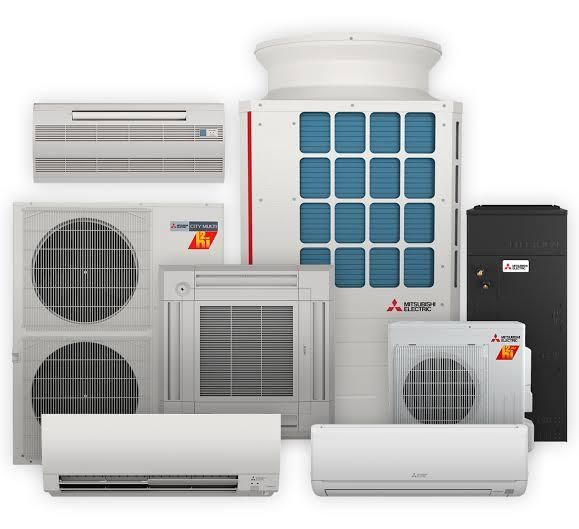
VRF HVAC Installation in Whitehouse for multi-story offices, restaurants, retail spaces, and properties requiring independent temperature zones
Variable refrigerant flow systems allow different zones within a commercial building or large residence to maintain separate temperatures simultaneously without the energy waste of traditional HVAC equipment. When a west-facing office needs cooling while an interior conference room requires heating, or when restaurant dining areas need different conditions than kitchen spaces, VRF technology adjusts refrigerant flow to each indoor unit based on real-time demand. VRF Mechanical Solutions installs VRF HVAC systems across Whitehouse, Tyler, Lindale, Flint, Chandler, Palestine, and Bullard for properties where occupancy patterns, solar exposure, or functional use create conflicting comfort requirements across zones.
Installation begins with calculating cooling and heating loads for each zone, mapping refrigerant piping routes between the outdoor unit and indoor air handlers, and designing the configuration to balance capacity across zones without overloading the system. VRF installations require precise refrigerant line lengths, correct branch connections, and proper insulation to maintain efficiency as refrigerant travels through the network.
Arrange a site consultation to review building layout, zoning requirements, and VRF system capacity recommendations.
Why VRF Systems Work for Variable-Load Buildings
Traditional HVAC systems operate at fixed capacity, cycling on and off to maintain temperature, which wastes energy when only some zones need conditioning. VRF systems modulate compressor speed and refrigerant flow continuously, delivering only the heating or cooling each zone demands at any moment. Indoor units connect to a single outdoor unit through branched refrigerant lines, and the system simultaneously heats some zones while cooling others by transferring heat between spaces rather than rejecting all heat outdoors.
Once operational, occupants control temperature independently in each zone using dedicated thermostats or control panels, eliminating complaints about uneven comfort across a building. Energy consumption drops compared to conventional systems because the compressor runs at partial capacity during low-demand periods rather than cycling between full power and off. VRF Mechanical Solutions programs system controllers to match occupancy schedules, adjusting zone temperatures based on time of day or detected occupancy patterns.
VRF installations support phased expansion, allowing additional indoor units to connect to the system as building needs change or renovations add conditioned space. System designs account for refrigerant line length limitations and elevation differences between indoor and outdoor units, which affect oil return and compressor reliability.
What Property Owners Usually Ask
Commercial buildings and larger residential properties considering VRF technology often need clarity on system capabilities and installation requirements.
What types of buildings benefit most from VRF HVAC systems?
Properties with multiple zones requiring different temperature setpoints simultaneously, such as multi-story offices, retail spaces with varied solar exposure, restaurants with kitchen and dining areas, or residences with inconsistent occupancy patterns across rooms, see the greatest comfort and efficiency gains from VRF technology.
How does VRF installation differ from traditional HVAC equipment?
VRF requires refrigerant piping instead of ductwork, reducing installation space requirements and allowing more flexible indoor unit placement, but demands precise refrigerant line lengths, proper oil management, and careful branch connection configurations to maintain system performance.
When is VRF installation more cost-effective than conventional systems in Whitehouse?
For new construction or major renovations where ductwork would be expensive or impractical, or for buildings where zoning flexibility and energy efficiency justify the higher upfront equipment cost through long-term operational savings.
What maintenance does a VRF HVAC system require?
Indoor air handler filters need regular replacement, outdoor coils require periodic cleaning, and refrigerant pressures should be checked annually to confirm system charge remains correct, as even small leaks reduce efficiency and capacity over time.
How many zones can one VRF system support?
Depending on outdoor unit capacity and refrigerant line configuration, systems typically support eight to thirty indoor units, with total connected capacity not exceeding the outdoor unit's rated output and line length limitations observed.
VRF Mechanical Solutions designs and installs customized VRF HVAC configurations for commercial and residential properties requiring advanced zoning and energy-efficient temperature management. Contact our team to discuss system sizing, layout options, and installation timelines for your property.